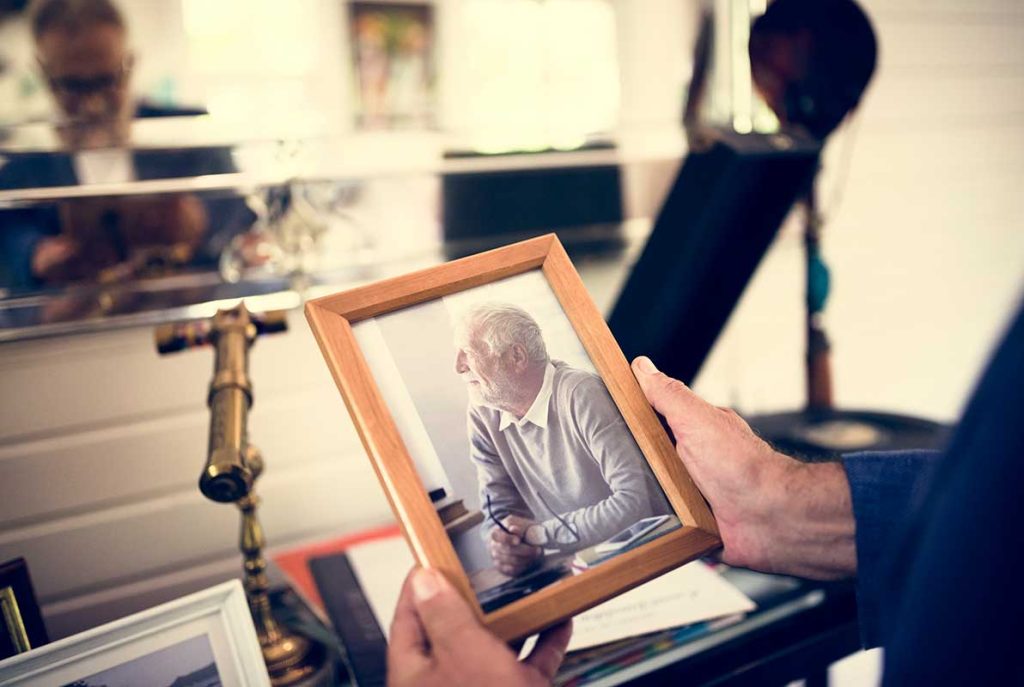

Coping with loss is different for everyone. Grief is a unique journey, and there is no right or wrong way to feel when someone dies. While some people express emotions openly, others may process things more quietly. Either way, your experience is valid.
At times, you may feel completely different to those around you. However, this is entirely normal. Try to be patient with yourself and with others, as everyone is coping with loss in their own way.
Common Feelings When Coping with Loss
When coping with loss, you may experience a range of emotions. These can change quickly or come in waves over time.
Feeling overwhelmed
To begin with, many people feel numb, confused, or as though they are in a daze. It can take time for the reality of the loss to fully sink in.
Feeling angry
In addition, anger is a common part of grief. You may feel angry at the person who died, at yourself, or at the situation. Although difficult, this is a natural response.
Feeling scared
Loss can also create anxiety about the future. For example, you might worry about what happens next or fear losing other people close to you.
Feeling lonely
Even when surrounded by others, grief can feel isolating. As a result, you may experience sadness, emptiness, or a sense of being alone.
Feeling guilty
Sometimes, people blame themselves for what happened. However, it is important to remember that these feelings are common and do not mean you are responsible.
Physical effects of grief
Grief does not only affect your emotions. It can also impact your body, leading to changes in sleep, appetite, and energy levels.
Allow Yourself to Grieve
When coping with loss, it is important to give yourself permission to feel whatever comes up.
You may find it helpful to:
- Experience a wide range of emotions without judgement
- Accept that your grief may look different to others
- Express your feelings in your own way, whether that is talking, writing, or taking quiet time
- Ask for support when you need it
Healthy Ways of Coping with Loss
Although grief is painful, there are ways to support yourself through it.
For example, talking to friends or family can help you feel less alone. In addition, speaking to a counsellor or mental health professional can provide guidance and reassurance.
At the same time, try to take care of your physical health. Eating regularly, getting rest, and spending time outside can make a difference, even in small ways.
When to Seek Extra Support
While many feelings are a normal part of coping with loss, it is important to be aware of unhealthy coping patterns.
For instance, relying on alcohol or substances, withdrawing completely from others, or harming yourself can make things harder over time. If this happens, it is important to seek support as soon as possible.
Reaching out to a GP, therapist, or support service can help you find safer ways to cope.