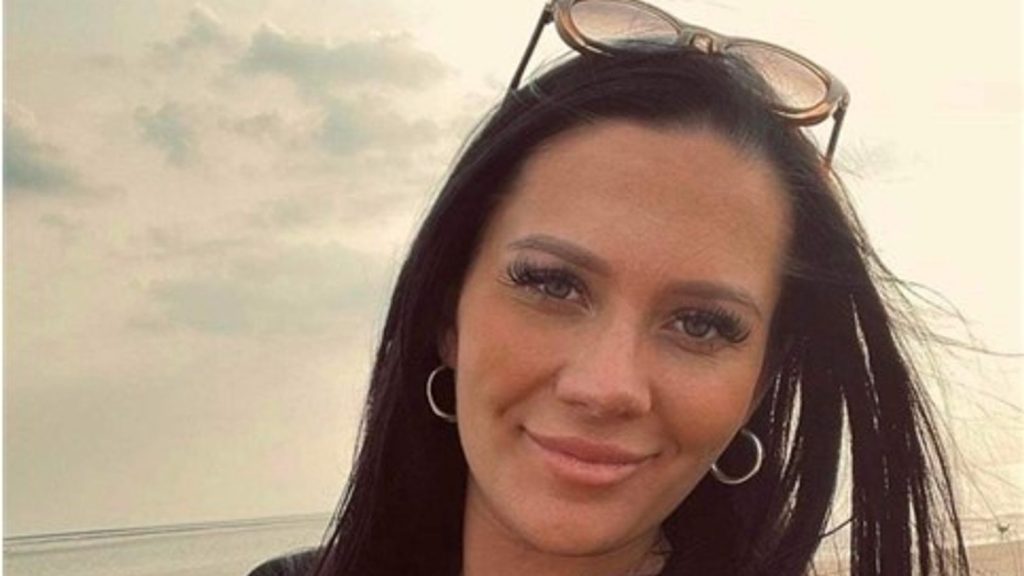

The outcome of the trial of Ryan Wellings, accused of the manslaughter of his fiancée Kiena Dawes, is nothing short of distressing. Wellings was found guilty of assault and controlling and coercive behaviour. However, he was cleared of manslaughter, despite overwhelming evidence of prolonged abuse and its devastating impact on Kiena. This verdict raises serious questions about how the justice system approaches cases where abuse leads to a tragic loss of life.
Kiena, a 23-year-old mother, ended her life in July 2022 after enduring a sustained pattern of physical, emotional and psychological abuse. In her suicide note, she explicitly named Wellings as her killer. She described the torment she had experienced and expressed hope that her death might lead to change. Her note is a heart-wrenching plea for justice and a stark reminder of the hidden cost of domestic abuse.
It is deeply troubling that Wellings, who subjected Kiena to years of abuse, could smile and blow kisses to his family in court after being cleared of manslaughter. This outcome not only denies justice for Kiena, but also risks diminishing the seriousness of the abuse she suffered. It highlights the urgent need for a broader understanding of the link between coercive control and the tragic outcomes that can follow.
The Hidden Toll of Domestic Abuse
Domestic abuse extends far beyond physical violence. It is a pervasive, insidious form of control that can leave survivors physically and emotionally broken. The hidden toll often includes depression, anxiety and PTSD. All too often, it also leads to suicide.
Kiena’s case is tragically not unique. In the UK, a current or former partner kills two women every week. In addition, many more lives are lost indirectly, as survivors struggle with the lasting emotional impact of abuse. Kiena’s story exposes serious gaps in both societal and institutional responses to domestic abuse. She sought help repeatedly and documented her experiences. Yet, the system did not protect her.
So, what will it take for the justice system to hold abusers fully accountable for the consequences of their actions?
The Need for Change
The verdict in this case should be a wake-up call. Coercive control, recognised as a criminal offence since 2015, must be understood as a life-threatening behaviour. Prosecutors, juries, and society at large need to recognise that abuse does not occur in a vacuum. It has real, measurable consequences, as evidenced by the tragic loss of Kiena and countless others.
Moreover, we must invest in education, awareness, and systemic change to address domestic abuse comprehensively. This includes funding for support services, stronger legal protections, and improved police response times. Kiena’s poignant words, “I hope my life saves another by police services acting faster,” should inspire reforms that could prevent similar tragedies.
Support for Survivors and Families
The psychological and emotional fallout of abuse extends far beyond the survivors themselves. Families and loved ones are often left grappling with grief and unanswered questions. Organisations like Advocacy After Fatal Domestic Abuse (AAFDA) provide invaluable support to families navigating these uncharted waters. Meanwhile, charities like Women’s Aid and Mind work tirelessly to support survivors, but their efforts must be matched by systemic changes that prioritise prevention and justice.
Kiena’s story is a painful reminder of the hidden cost of domestic abuse. Her courage in naming her abuser, even in her final moments, is a testament to her strength. But her death, and the failure to hold Wellings accountable for its ultimate cause—is a stark indictment of a system that continues to fall short. We must honour Kiena’s memory by demanding better: for her, for her daughter, and for all those who suffer in silence.
If you or someone you know is experiencing domestic abuse, help is available. Call the National Domestic Abuse Freephone Helpline on 0808 2000 247 or visit womensaid.co.uk. For confidential support, the Samaritans are available 24/7 at 116 123. Together, we can work towards a future where no one’s life is cut short by abuse.