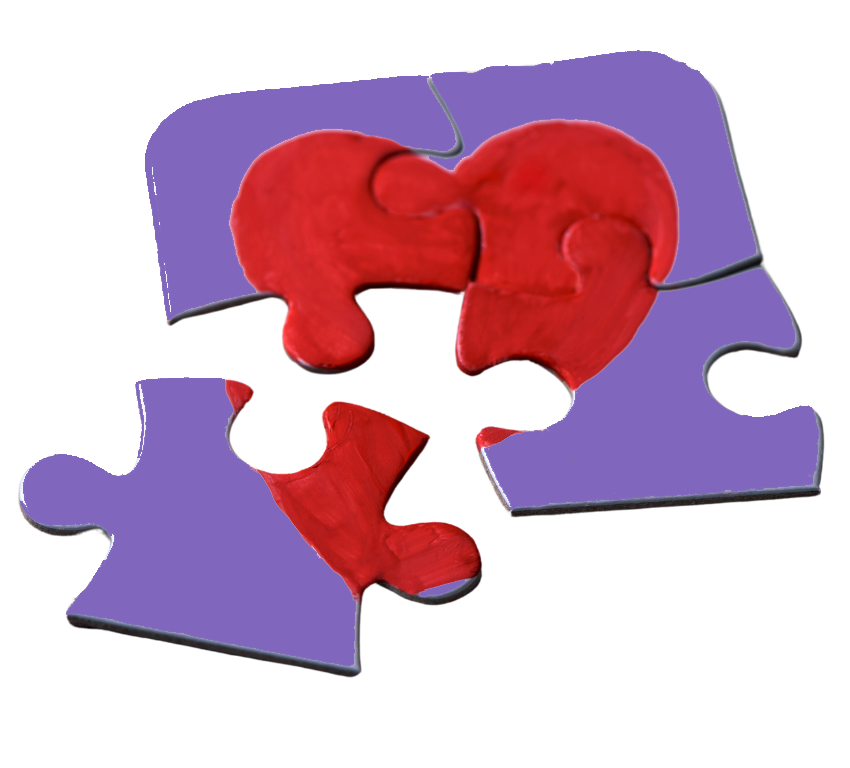

The steps to mending a broken heart are not linear, and they are not the same for everyone. At some point, almost everyone will experience heartbreak. It is part of being human. However, that does not make it any easier when you are in it.
Heartbreak is not just emotional. It can feel physical, consuming, and disorientating. You are not only losing a person, you are losing a version of your life that you believed in. Therefore, healing takes time, and it should be approached with patience rather than pressure.
Understanding Heartbreak as a Healing Process
Heartbreak is often treated as something to “get over,” but in reality it is something that is moved through. A grieving process is triggered, even if the person is still alive. As a result, waves of emotion may come and go, sometimes when they are least expected. This is not a setback. It is part of the process.
Reaching Out for Support
The instinct to withdraw can be strong; however, connection is needed during this time. Friends, family, or even one trusted person can make a difference. You do not have to explain everything perfectly. Being heard, even in fragments, can help you feel less alone.
Allowing Yourself Time to Grieve
There is often pressure to “move on” quickly, but grief does not work like that. Some days will feel manageable, and others will feel heavy again. Therefore, space should be given for both. Healing is not about rushing through emotions, it is about allowing them to be processed.
Healthy Ways to Express Emotions
When emotions are bottled up, they tend to build rather than disappear. Expression can take different forms. Talking helps, but so can writing, music, movement, or simply sitting with how you feel. There is no right way to process, only what feels safe and manageable for you.
Avoiding Unhealthy Coping Mechanisms
It can be tempting to numb the pain, especially when it feels constant. However, alcohol, drugs, or distractions that avoid the feeling entirely will often prolong it. In the short term, they may take the edge off. In the long term, they can deepen the impact. Therefore, it is important to choose coping strategies that support healing rather than delay it.
Prioritising Self-Care and Wellbeing
Self-care does not have to be dramatic or expensive. It can be simple. Eating properly, getting some rest, going for a walk, or having a moment of quiet. These small actions help regulate your system when everything feels unsettled. Over time, they build a sense of stability again.
Refocusing on Your Future
When a relationship ends, the future can feel uncertain. However, this can also be a moment to reconnect with yourself. Energy can be redirected into your work, interests, or something new. Progress, even in small steps, helps to rebuild confidence and direction.
Letting Go and Accepting the Ending
Acceptance does not happen overnight. At first, there may still be hope that things will change. Over time, that hope is replaced with understanding. Letting go is not about forgetting or pretending it did not matter. It is about recognising that it has ended and choosing to move forward anyway.
Taking Time Before New Relationships
Starting something new too quickly can feel like relief, but it often carries unresolved emotion into the next situation. Time should be taken to understand what you have been through and what you need going forward. As a result, future relationships are more likely to be healthy and stable.
Embracing Independence and Growth
Being on your own can feel uncomfortable at first. However, it can also become one of the most important parts of healing. You begin to reconnect with who you are outside of the relationship. Confidence is rebuilt, and a stronger sense of self is developed.
Setting Goals and Moving Forward
Looking ahead can feel difficult in the early stages, but small goals can help. They do not have to be big or life-changing. Even simple plans can create a sense of movement. Over time, those small steps build into something more meaningful, and life begins to feel fuller again.
When It Feels Too Much
There will be moments where everything feels overwhelming, especially in the early stages. During those times, support should not be delayed.
If you are struggling to cope, or you feel stuck in the intensity of the pain, the Emergency Heartbreak Kit has been created to support you through those immediate moments. It offers practical tools, grounding techniques, and emotional guidance to help you get through the hardest parts of the day.
You do not have to navigate this alone. Support is available, and reaching for it can make a real difference.