

Creating a Safety Plan

A safety plan is a practical, personal set of steps designed to help you stay as safe as possible — whether you are still in the relationship, preparing to leave, or have already left. You do not need to have made a final decision about leaving to start thinking about safety. Planning ahead, even in […]
Going to Court and Seeking Support
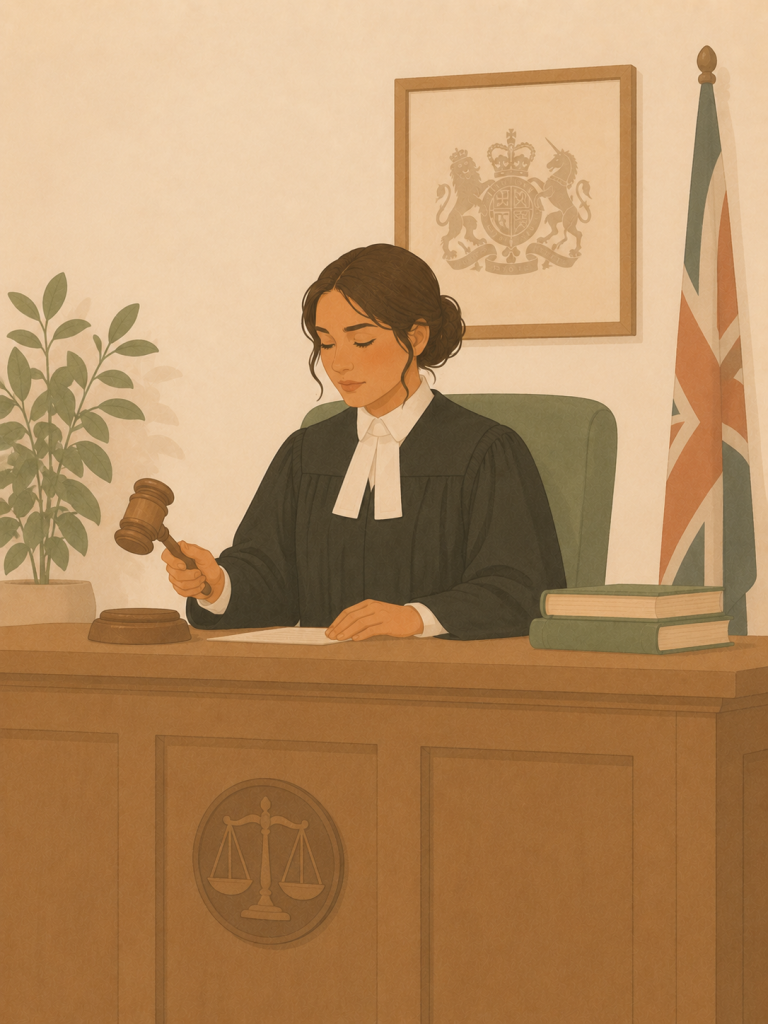
Going to court is one of the most daunting parts of the domestic abuse journey. Many survivors feel a complex mix of emotions. Relief that something is finally happening. Fear about facing their abuser. Anxiety about being believed. Exhaustion at having to relive everything in a formal setting. This guide explains what the process looks […]
Reporting Abuse to the Police
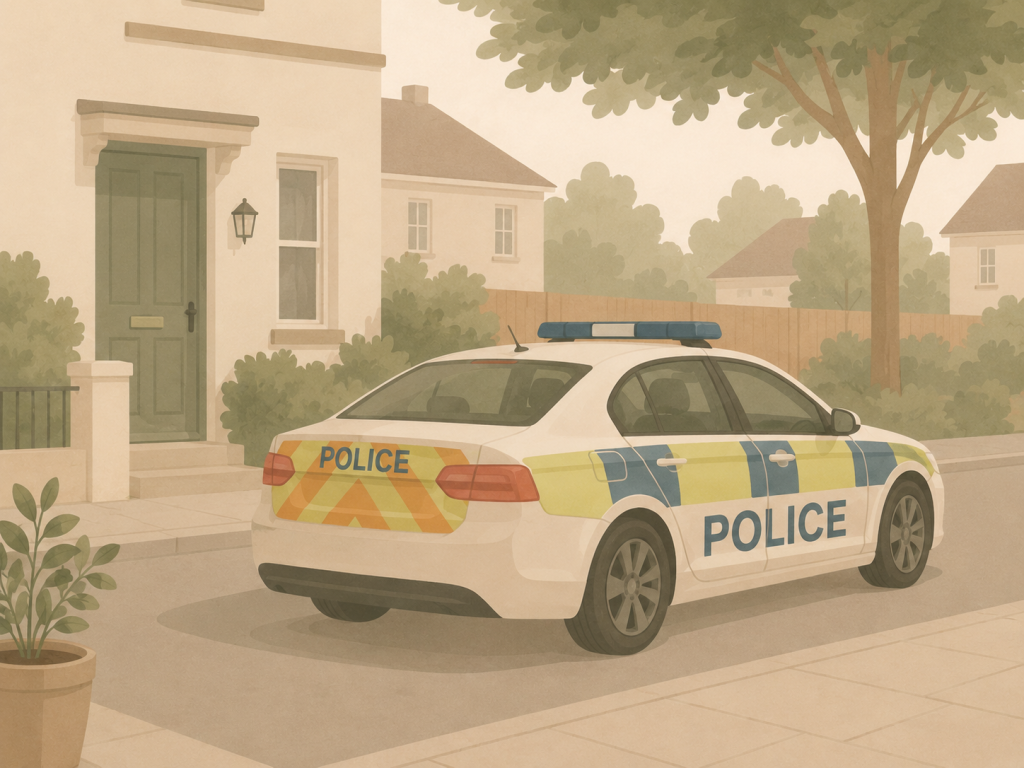
Reporting domestic abuse to the police can feel frightening, overwhelming or emotionally exhausting — especially if you have spent a long time living with fear, confusion or manipulation. Many people worry they will not be believed, that they are overreacting, or that reporting will automatically lead to immediate court action. Understanding what to expect can […]
Making the Decision to Leave: What You Need to Know

Making the decision to leave an abusive relationship is rarely a single moment of clarity. For most people it is a process — messy, non-linear and full of setbacks. Research consistently shows that on average a victim leaves seven times before leaving for good. That figure is not a reflection of weakness or poor judgement. […]
When You Are A Man Experiencing Abuse
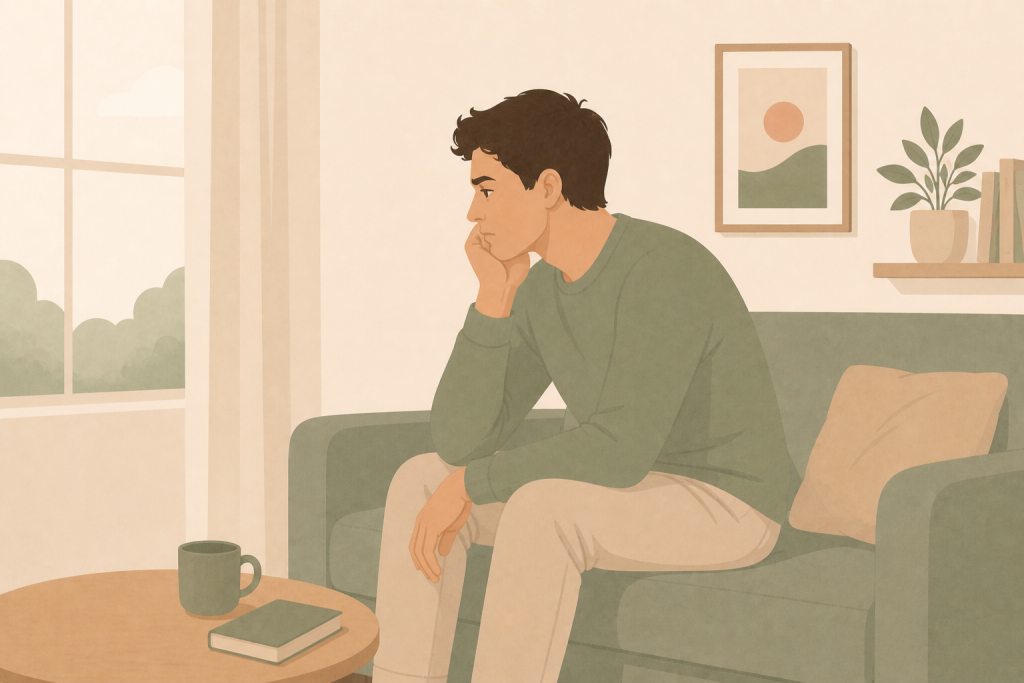
Men Can Be Victims Too Domestic abuse happens to men. It happens more often than most people realise, more often than most men report, and far more often than society generally acknowledges. If you are a man experiencing abuse at the hands of a partner, this article is for you. What you are going through […]
Will It Get Better? Let’s Get Real

If you are asking this question, you are probably exhausted. You have likely been through enough cycles of hope and disappointment to fill years of your life. Part of you wants someone to tell you yes, it will get better — and part of you already suspects that the honest answer is more complicated than […]
Can I Get Help For My Abusive Partner?

If you are asking this question, it is likely coming from a place of genuine love. You see something in this person worth fighting for. You believe that with the right support, things could be different. That instinct is not naive — it is deeply human, and it says a great deal about who you […]
Trauma Bonding: What It Is and How to Break It
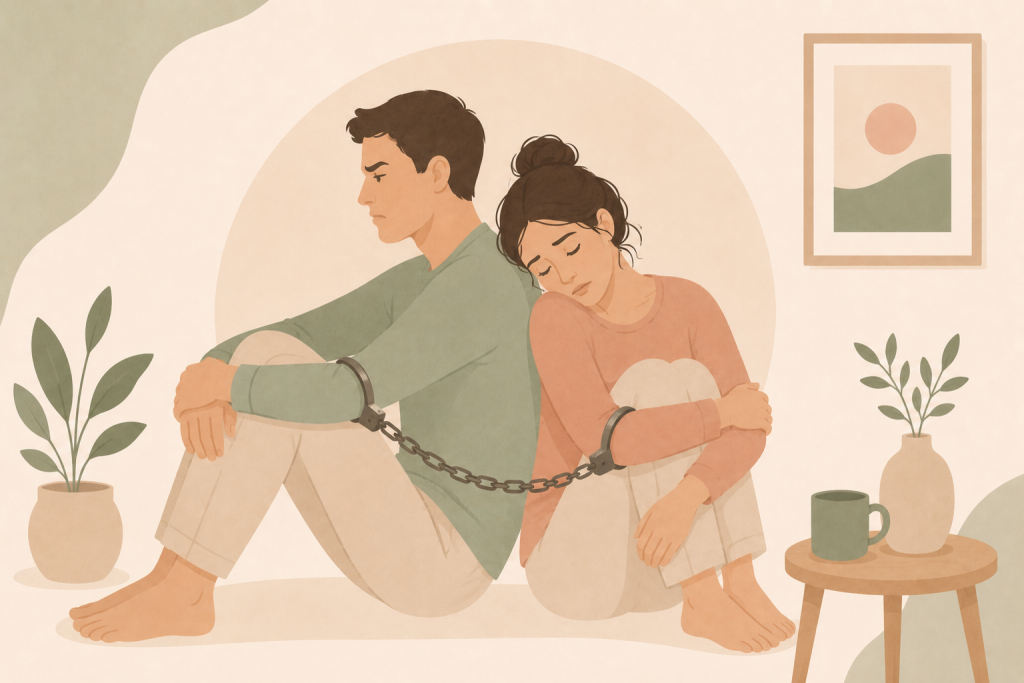
Trauma bonding is a powerful psychological attachment that forms between a person and someone who causes them harm. It develops not in spite of the abuse, but often because of it — and that is what makes it so difficult to understand from the outside. If you have ever stayed in a relationship that you […]
Gaslighting: What It Is and How to Recognise It
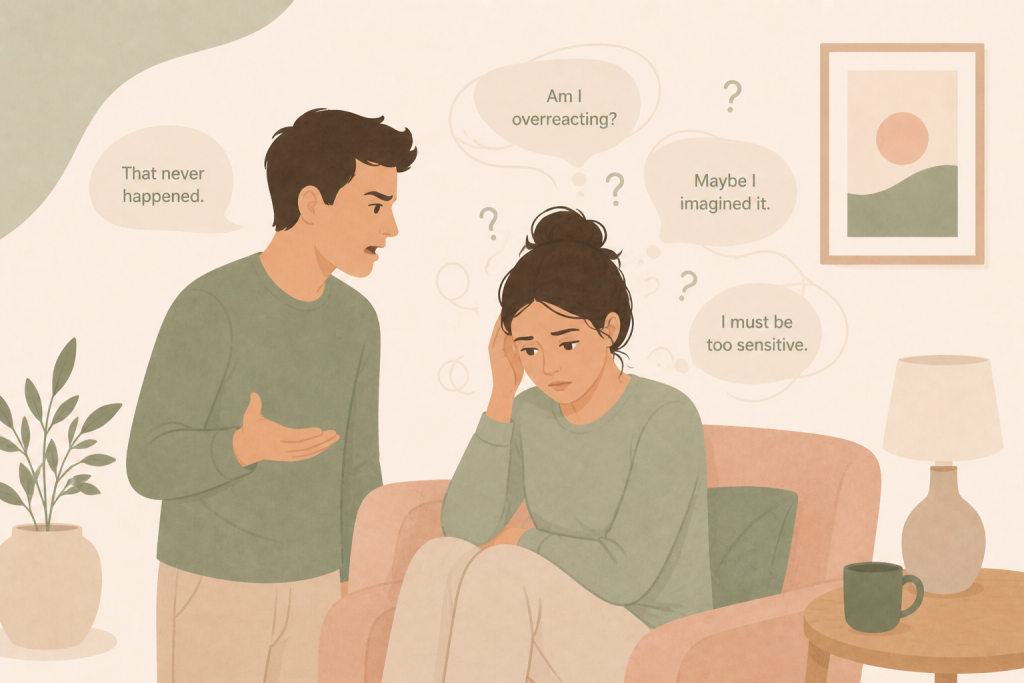
Gaslighting is a form of psychological manipulation that causes you to question your own memory, perception and reality. It is one of the most damaging forms of emotional abuse, partly because it is so difficult to identify while it is happening. The term comes from the 1944 film Gaslight, where a husband deliberately manipulates his […]
Clare’s Law: How to Make a Request and What to Expect

Applies in the UK only Clare’s Law — formally known as the Domestic Violence Disclosure Scheme — gives you the legal right to ask police whether a current or former partner has a history of abusive or violent behaviour. Police also have the power to share that information proactively, without a request, if they believe […]
Sociopathy and Violent Behaviour

When people try to make sense of an abusive relationship, the word narcissist comes up constantly. It has become the default explanation for controlling, manipulative or cruel behaviour — and while narcissistic traits are genuinely relevant in many cases, they do not tell the whole story. Some abusers are not narcissists. Some display traits more […]
Early Warning Signs and Red Flags
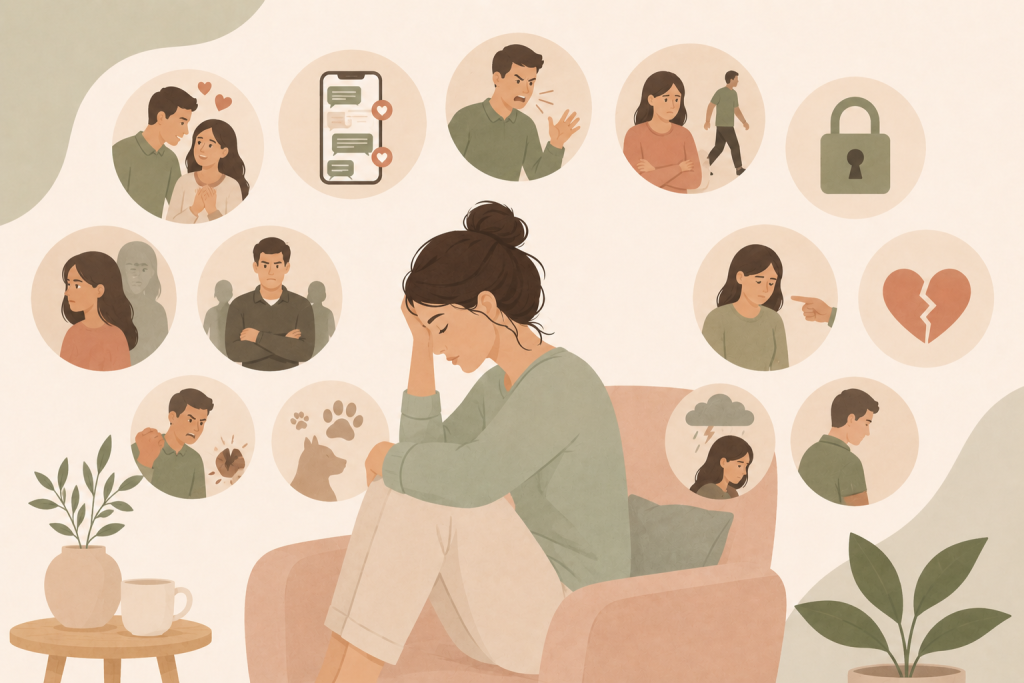
Unhealthy relationships rarely begin with obvious abuse. In many cases, the early stages feel intense, exciting and emotionally close. The warning signs often appear gradually, making them easy to dismiss or explain away. Many people only recognise the red flags later when the behaviour becomes more controlling, emotionally harmful or frightening. Learning to spot early […]