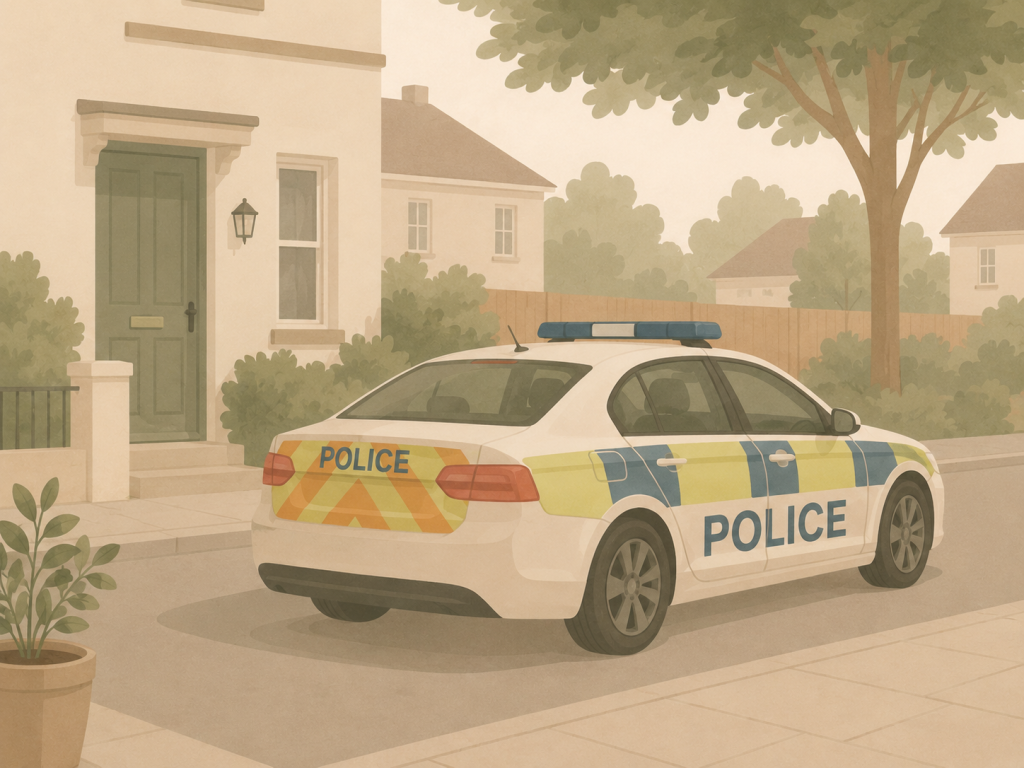

Reporting domestic abuse to the police can feel frightening, overwhelming or emotionally exhausting — especially if you have spent a long time living with fear, confusion or manipulation. Many people worry they will not be believed, that they are overreacting, or that reporting will automatically lead to immediate court action.
Understanding what to expect can make that step feel less daunting.
If You Are in Immediate Danger, Call 999
If you feel unsafe or believe someone may become violent or threatening, call 999 immediately. This includes situations involving:
- Physical violence or threats of violence
- Strangulation or choking
- Threats to kill you, your children, pets or themselves
- Stalking or forced entry into your home
- Aggressive behaviour that makes you fear for your safety
- Being prevented from leaving
- Criminal damage or violent outbursts
If you cannot speak safely, call 999 and use the Silent Solution system by pressing 55 when prompted. The operator will stay on the line and send help. If you are deaf or cannot make a voice call, you can register with the Emergency SMS service and text 999 instead.
You Do Not Have to “Press Charges”
One of the most common reasons people avoid contacting the police is the belief that doing so automatically means going to court. In many situations you can report incidents and have concerns officially logged without immediately committing to a prosecution.
This still creates an important official record of behaviour over time — and that record can matter enormously later.
There are situations where police may decide to investigate or prosecute without your direct support, particularly where they believe someone is at serious risk, where evidence of significant violence exists, where children are involved, or where they suspect you may be under pressure or coercion. The police carry a duty to protect people where there is genuine risk of harm, and that duty does not depend entirely on your decision to proceed.
Ask to Speak to a Domestic Abuse Officer
When you call 101 or report abuse in person, ask to speak to an officer who specialises in domestic abuse. This can make a significant difference to your experience.
Domestic abuse specialists receive training in coercive control, trauma responses, emotional abuse and the complex reasons why victims stay, return or find it difficult to report. Many survivors say speaking to a trained officer felt entirely different to speaking to a general response officer — more understanding, more informed and considerably less judgemental.
A Risk Assessment Will Be Carried Out
When domestic abuse is first reported, police will usually complete a DASH risk assessment — Domestic Abuse, Stalking and Honour-based Violence. This structured assessment helps them understand the level of immediate and ongoing risk you face.
You may be asked detailed questions about the relationship, previous incidents, whether children are involved, whether there has been escalation, and how safe you currently feel. This is not an interrogation — it is designed to make sure the right level of support and protection is put in place for your situation.
Clare’s Law — Your Right to Ask
Many people are unaware that Clare’s Law gives you the legal right to ask police whether a current or former partner has a history of abusive or violent behaviour.
You can make a formal request — known as a Right to Ask — and the police will assess what information it is appropriate to share with you. You do not need to have reported anything yourself to make this request. If police believe you may be at risk, they also have the power to disclose information proactively without you asking.
If you are concerned about a partner’s past behaviour or have a feeling that something is not right, this is worth knowing about.
Keeping Evidence Can Help
Abuse often escalates gradually, and incidents that feel minor in isolation can form part of a significant pattern when looked at together. Keeping records can help build that picture clearly.
Where it is safe to do so, consider:
- Keeping a diary of incidents with dates and times
- Writing down threats or abusive behaviour shortly after they happen
- Saving screenshots, emails and messages
- Backing up WhatsApp conversations and photographs
- Video recording yourself privately after incidents to capture how you felt in the moment
- Storing everything somewhere the other person cannot access
Never put yourself at risk to gather evidence. Your safety matters far more than collecting proof.
Do Not Delete Messages
Many people delete upsetting messages because they are painful to look at. It is an understandable instinct — but those messages, voicemails and photographs can become important evidence later.
Where possible, back up concerning communications and store copies securely, or send them to a trusted person for safekeeping. Incidents that seem small on their own can carry real weight when they form part of a documented pattern.
You May Feel Conflicted Afterwards
Feeling guilty, frightened or uncertain after speaking to the police is extremely common — particularly where emotional manipulation or trauma bonding is part of the relationship. Worrying about getting someone into trouble, about not being believed, or about whether what happened was serious enough are feelings that almost every survivor describes at some point.
Those feelings do not mean your concerns are invalid. They are a natural response to a very difficult situation.
Reporting Is a Process, Not a Single Decision
Some people report abuse once. Others speak to police several times over months or years before feeling ready to take further action. There is no perfect way to navigate this, and many survivors take time to fully understand the seriousness of what they have experienced.
What matters most is your safety — and each step you take towards protecting it counts, however small it feels at the time.