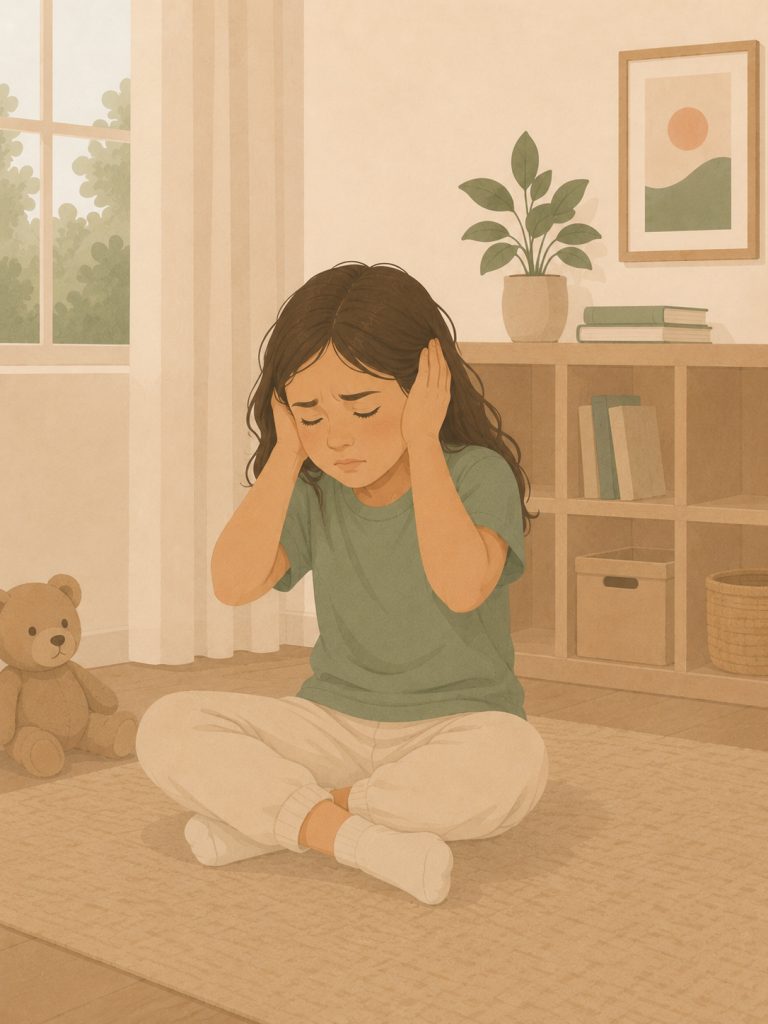

If you are a parent who has experienced domestic abuse, your children are probably never far from your thoughts. How much do they know? What have they understood? How do you talk to them about what happened — and how do you protect them going forward, especially if you still have to have contact with the person who caused harm?
If you are a child or young person reading this and trying to make sense of something that has happened in your family, you are welcome here too — and none of what happened was your fault.
What Children Understand More Than We Realise
Children are perceptive. Even very young children pick up on tension, fear and emotional atmosphere in ways that often surprise the adults around them. Many children who have grown up in homes affected by abuse have carried a detailed understanding of what was happening for years — often without ever having the words to describe it.
This means that protecting children from the truth is rarely as straightforward as it feels. They may not know the details, but they usually know that something was wrong. Giving them language for that experience — age-appropriately and gently — can be genuinely relieving rather than distressing.
Talking to Your Children About What Happened
There is no single right way to have this conversation, and the right approach depends on the age of your children, what they witnessed and how much they already know. What matters most is that they feel safe, that they are not burdened with adult complexity, and that they understand clearly that nothing that happened was their fault.
Some principles that help:
Keep it age-appropriate. Young children need simple, honest language — “sometimes grown-ups treat each other in ways that are not kind, and that is never okay” is enough for a small child. Older children and teenagers can handle more nuance, and often need it to make sense of their own experience.
Never ask children to keep secrets. If you are talking to your children about what happened, make sure they know they are free to talk to other trusted adults — teachers, grandparents, school counsellors — about how they feel. Secrecy was likely already used as a tool in the abusive relationship. Your children need to know that is over.
Avoid speaking negatively about the other parent in front of them. This is genuinely difficult, particularly in the early stages when pain and anger are raw. However, children feel loyalty to both parents regardless of what one parent has done, and putting them in the middle creates its own harm. Separating your feelings about your former partner from your children’s relationship with that parent — where it is safe for that relationship to continue — protects them from an impossible emotional position.
Let them feel what they feel. Children may feel angry, sad, confused, relieved or all of those things at once. They may be angry with you as well as with the other parent. Allow those feelings without judgement and without trying to fix them immediately. Being a safe place for your children’s emotions is one of the most powerful things you can do.
Reassure them about the future. Children who have lived with unpredictability need consistency and reassurance. Tell them clearly what is happening, what is staying the same and what they can rely on. Predictability is healing for children who have experienced chaos.
Signs Your Child May Be Struggling
Children do not always express distress directly. Some common signs that a child may be processing something difficult include:
- Regression to younger behaviour — bedwetting, clinginess, baby talk
- Nightmares or disrupted sleep
- Withdrawal from friends or activities they previously enjoyed
- Aggression or significant changes in behaviour
- Anxiety about separations or new situations
- Physical complaints without a medical cause — stomach aches, headaches
- Difficulty concentrating at school
If you notice these signs, speaking to your child’s school and GP is a good starting point. Many areas also have specialist support services for children who have been affected by domestic abuse, and a referral can often be made through school or your GP.
Co-Parenting Safely After Abuse
Co-parenting with someone who has been abusive is one of the hardest situations a parent can face. The relationship is over, but contact is ongoing — and that contact can become a continued means of control if it is not carefully managed.
Parallel parenting rather than co-parenting is often the more realistic and safer model in these situations. Traditional co-parenting assumes two parents who can communicate respectfully and make decisions together. Where abuse has been present, that assumption is often neither safe nor realistic. Parallel parenting means each parent operates independently during their time with the children, with communication kept to an absolute minimum and conducted in writing where possible.
Use written communication only. Email or a dedicated co-parenting app — such as OurFamilyWizard or Talking Parents — keeps a clear record of all communication and removes the opportunity for verbal manipulation, gaslighting or pressure. Never agree to anything important over the phone or in person if you can avoid it.
Keep handovers brief and neutral. If direct handovers are unavoidable, keep them short, public and businesslike. A school handover — where the child goes directly between school and the other parent — removes direct contact entirely and is worth requesting if tension or risk is present.
Document everything. Keep a record of missed contact, concerning things your children report, and any behaviour from the other parent that feels controlling or inappropriate. That record matters if you need to return to court or vary a contact arrangement.
Know your legal position. If a court order is in place, both parents are bound by it — including the parent who caused harm. If that order is being breached, or if you have genuine concerns about your children’s safety during contact, speak to a family law solicitor as soon as possible. Legal aid remains available for victims of domestic abuse in family proceedings.
If You Are Worried About Your Children’s Safety During Contact
If your children are spending time with a parent who was abusive and you have concerns about their safety, take those concerns seriously. Children should never be used as a reason to maintain an unsafe situation — but their safety during contact is a legitimate and important issue.
Speak to a family law solicitor about your options. In situations of genuine risk, supervised contact or a suspension of contact can be applied for through the family court. Your children’s school and GP can also raise safeguarding concerns independently if they have their own worries.
Trust what your children tell you. If they express fear, distress or reluctance about contact, listen carefully, record what they say and seek advice. Do not coach them or ask leading questions — simply listen, take notes and get proper support.
A Note for Any Young People Reading This
If you are a child or teenager reading this article because something in your family has felt frightening or confusing, please know this: what happened between the adults in your life is not your fault. Not any part of it.
You are allowed to feel whatever you feel — sad, angry, confused, relieved, or all of those things at once. You do not have to have it figured out. Talking to a trusted adult — a teacher, a school counsellor, a relative you feel safe with — is always a good idea if things feel too heavy to carry alone.
You are not alone, and you do not have to be.