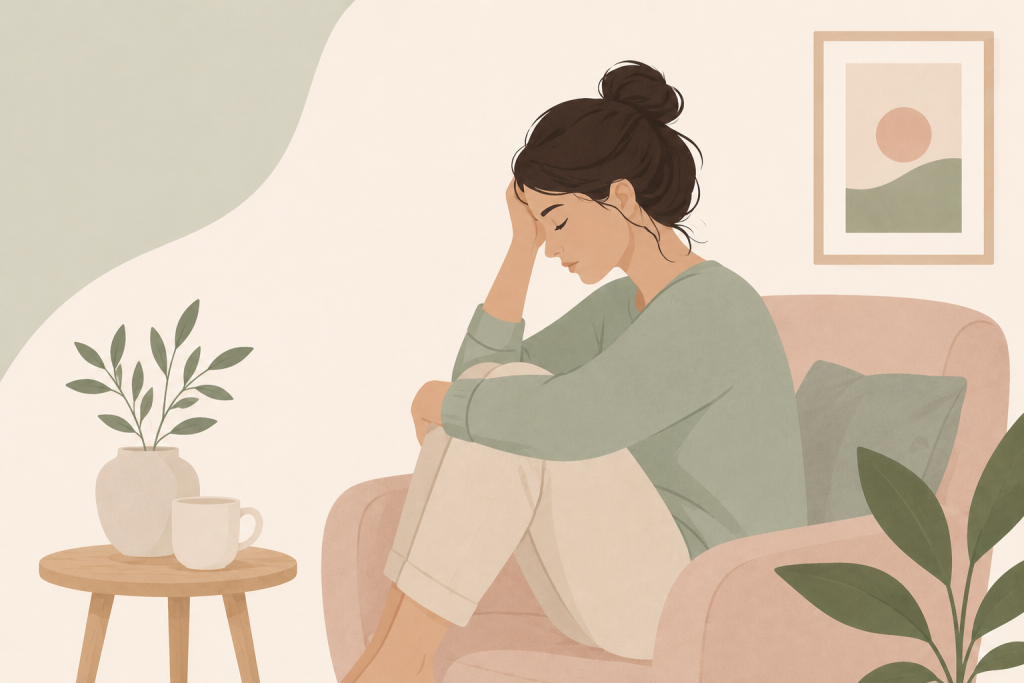

Coercive control is a form of domestic abuse where one person uses patterns of behaviour to dominate, manipulate or frighten another person within a relationship. It is often subtle, gradual and difficult to recognise at first.
Unlike physical violence, invisible abuse may leave no visible injuries. However, the emotional and psychological effects can be severe. Over time, a person may begin to feel anxious, trapped, isolated or unable to trust their own judgement.
Many survivors say they knew something felt wrong long before they understood what was happening.
Understanding This Type of Emotional Abuse
Emotionally controlling behaviour is rarely about one argument or isolated incident. Instead, it develops through repeated patterns that slowly affect confidence, independence and emotional safety.
The behaviour often increases gradually over time. What may begin as jealousy, criticism or intense involvement can slowly become pressure, intimidation or emotional manipulation.
Many people describe feeling as though they are constantly walking on eggshells around their partner.
Domestic abuse often develops slowly enough that the behaviour starts to feel normal.
Why It Can Be Difficult to Recognise
Abusive relationships do not usually begin with obvious cruelty. In many cases, the relationship starts with affection, closeness and emotional intensity before unhealthy patterns begin to emerge.
Because the changes happen gradually, many people minimise what they are experiencing or blame themselves instead.
You may find yourself:
- Trying to avoid upsetting them
- Carefully monitoring your words or behaviour
- Making excuses for their actions
- Feeling guilty for raising concerns
- Doubting your own reactions
- Hoping things will return to how they were at the beginning
This confusion is one reason emotional abuse can be so hard to identify.
Common Warning Signs
Signs of controlling or manipulative behaviour may include:
- Monitoring your phone, messages or social media
- Wanting constant updates about where you are
- Isolating you from friends or family
- Regular criticism or humiliation
- Making you feel guilty for normal things
- Using silence, withdrawal or mood changes as punishment
- Controlling finances or spending
- Blaming you for relationship problems
- Making you feel frightened of their reactions
- Pressuring you into things you do not want to do
- Making you question your memory or perception of events
- Creating tension or fear within the home
Some behaviours may appear small in isolation, but repeated patterns can gradually affect confidence and emotional wellbeing.
The Emotional Impact
Many people experiencing this kind of abuse say they no longer feel like themselves.
You may notice:
- Anxiety or panic
- Constant self-doubt
- Emotional exhaustion
- Difficulty making decisions
- Fear of saying the wrong thing
- Feeling isolated from other people
- Loss of confidence
- Feeling responsible for another person’s moods
- Being constantly on edge
Over time, unhealthy relationship dynamics can affect mental health, identity and emotional stability.
Questions You May Be Asking Yourself
Many people repeatedly question whether what they are experiencing is “serious enough” to count as abuse.
You may recognise some of these feelings:
- You feel nervous about how they will react
- You change your behaviour to avoid conflict
- You second-guess your thoughts and feelings
- You feel emotionally unsafe in the relationship
- You feel criticised or diminished regularly
- You no longer feel independent or confident
- You feel isolated from support around you
- You feel trapped, confused or emotionally drained
Many survivors later realise they were focusing on keeping the relationship stable rather than recognising how much the behaviour was affecting them.
When Fear Starts Shaping the Relationship
Healthy relationships are built on trust, respect and emotional safety. In emotionally abusive relationships, fear and tension often begin shaping everyday decisions instead.
You may notice yourself adjusting your behaviour simply to avoid arguments, criticism or emotional consequences.
Over time, this can create an atmosphere where one person holds emotional power over the other, even without physical violence.
For more information on domestic abuse, the NHS provides guidance and support resources:
<a href=”https://www.nhs.uk/live-well/getting-help-for-domestic-violence/”>NHS Domestic Abuse Support</a>
You may also find it helpful to read our articles on <a href=”/what-is-domestic-abuse/”>what domestic abuse is</a> and <a href=”/gaslighting-explained/”>gaslighting</a>.
Recognising the Pattern
Many people do not immediately identify emotionally controlling behaviour as abuse. The relationship may still contain moments of affection, reassurance or emotional closeness, which can make the situation even more confusing.
However, if a relationship regularly leaves you feeling fearful, controlled, emotionally drained or disconnected from yourself, those feelings matter.
Recognising unhealthy patterns is often the first step towards understanding what is happening more clearly.